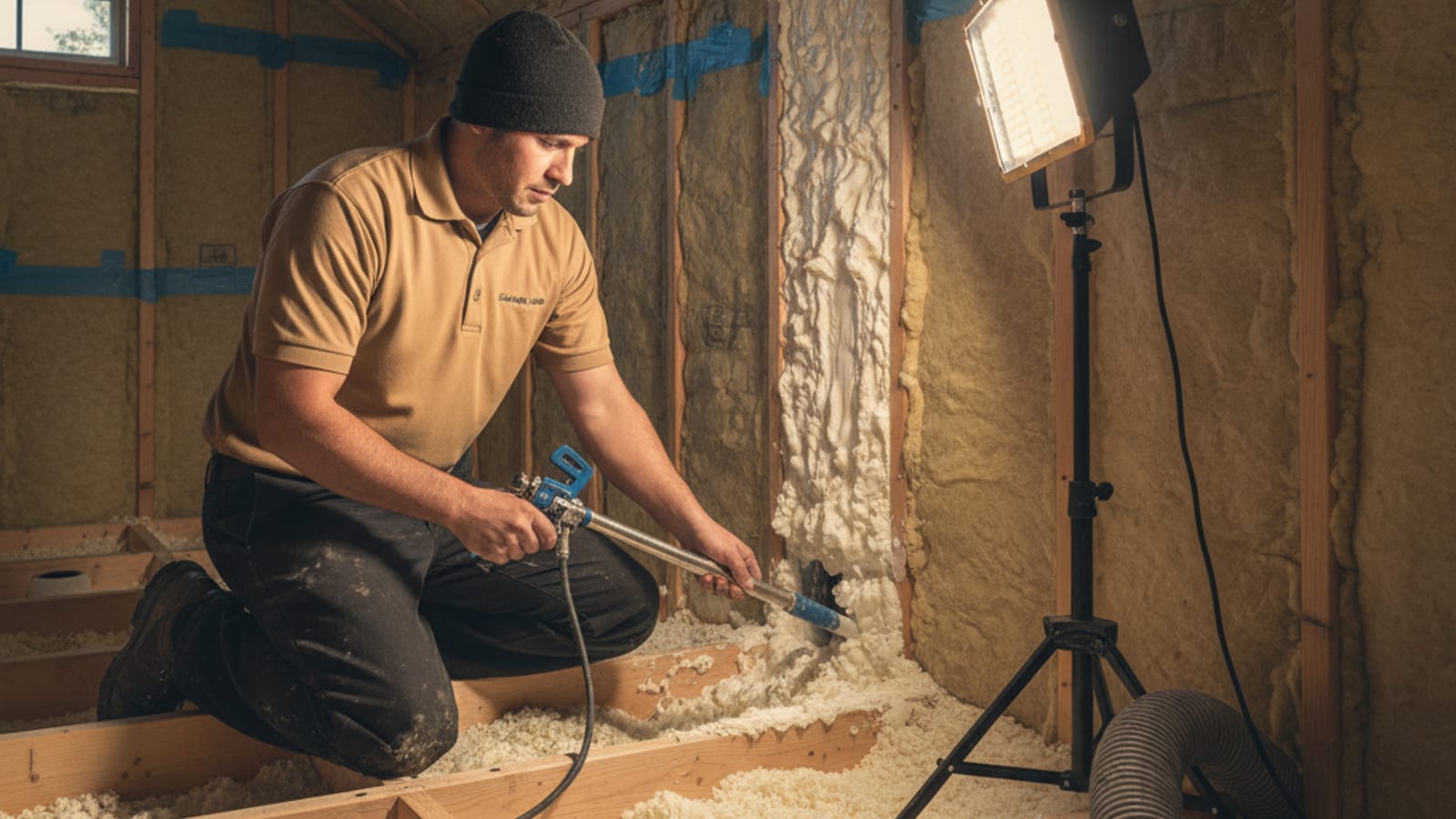
A home energy audit in San Diego is a room-by-room inspection that finds where your house wastes energy. A pro uses a blower door test and an infrared camera to spot air leaks, thin insulation, and hot attics. You get a prioritized fix list. Here, the biggest win is usually cooling, not heating, because San Diego is a cooling-dominated climate.
What a home energy audit actually checks
Most national guides describe the same equipment. A blower door depressurizes the house and measures how leaky it is. An infrared camera reveals cold and hot spots inside walls and ceilings. The auditor also checks attic R-value, ducts, windows, and combustion safety.
That part is true everywhere. What those guides skip is local context. San Diego homes don’t lose money the way a Minnesota home does. Our heating bills are small. Our comfort problem is summer attic heat pushing into bedrooms.
So a good local audit weights things differently:
- Attic insulation depth and condition ranks first. Sun-baked attics inland hit brutal temperatures.
- Air sealing at the attic floor matters more than wall leaks for most homes here.
- Radiant heat gets real attention in East County, where roof decks bake all afternoon.
- Duct leakage in the attic wastes the cooling you paid for.
Why San Diego changes the priorities
We have three Title 24 climate zones across the county, and they don’t behave alike.
- Zone 7 covers the coast and central county. Coronado, San Diego, La Mesa, Encinitas, Carlsbad, Oceanside. The marine layer keeps it mild. Comfort issues here are often a stuffy upstairs, not extreme bills.
- Zone 10 covers inland. Escondido, San Marcos, Vista, Poway, El Cajon, Santee, Lakeside. Real summer heat. Attic temperatures soar, and thin insulation shows up fast on an audit.
- Zone 14 covers the desert backcountry near Borrego Springs. Extreme heat. Insulation and air sealing are not optional here.
An audit in El Cajon or Santee will almost always flag attic heat as the top issue. An audit in coastal Encinitas might point to drafty older framing and a hot second floor instead. Same equipment, different answer, because the climate is different. For the full breakdown, see our guide on R-value by climate zone.
What a home energy audit costs in San Diego
National articles list a wide range, and so do we, because audits vary in depth. Here’s what’s typical locally.
| Audit type | What you get | Typical cost |
|---|---|---|
| Basic walkthrough | Visual inspection, no equipment, rough fix list | Free to $150 |
| Standard audit | Visual plus attic and duct inspection, written report | $150 to $300 |
| Blower door test | Measured air leakage, infrared scan, full report | $300 to $600 |
| HERS rating | Certified whole-house score, needed for some permits and rebates | $400 to $800 |
Two things to know. First, many insulation contractors fold a basic assessment into a free quote, so you may not need to pay for a standalone audit before insulation work. Second, a HERS rating is a formal certified test. You need one for certain permits and rebate programs, not for a routine insulation upgrade.
We give upfront quotes after a free attic inspection. No surprise pricing, no pressure.
How an audit pays for itself here
The point of the audit is the fix list. In San Diego the highest-return fixes usually look like this:
- Air seal the attic floor. Cheap, fast, and it stops conditioned air from leaking up. Start with air sealing before insulation.
- Bring attic insulation up to depth. R-30 minimum in Zone 7, R-38 in Zone 10 under Title 24. We recommend R-49 in both for comfort.
- Add a radiant barrier inland. In East County, it cuts attic temperature and eases the cooling load.
- Seal duct leaks. Leaky attic ducts dump cool air where nobody lives.
Done in that order, most homes feel the difference the first hot afternoon. The upstairs stops baking. The AC cycles less.
SDG&E rebates can offset the work
SDG&E runs rebate and efficiency programs that can lower the cost of insulation and air sealing. Some require a qualifying assessment or a HERS verification first. The rules change year to year, so we help clients figure out what applies before the work starts. See our current rundown of SDG&E insulation rebates. When you’re ready for the work itself, our air sealing service is usually the first step.
DIY vs a professional audit
You can do a rough self-check. Walk the house on a hot afternoon and note which rooms are uncomfortable. Look in the attic and measure insulation depth with a ruler. Feel for drafts at outlets and recessed lights. That tells you whether you have a problem.
What it won’t tell you is how much air the house leaks, or where heat hides inside the walls. A blower door and infrared camera measure that. If your bills are high or one room never gets comfortable, the paid test is worth it. For lighter cases, a free contractor assessment usually finds the obvious wins.
Frequently asked questions
How long does a home energy audit take?
A standard audit runs one to two hours. A full blower door and infrared assessment on a larger home can take three to four. The written report follows within a few days.
Do I need an audit before adding insulation?
Not always. For a straightforward attic top-up, a free inspection and quote is usually enough. A formal audit makes sense when comfort problems persist or you’re chasing a rebate that requires verification.
Is a home energy audit worth it in mild coastal San Diego?
Often yes, even on the coast. Coastal homes still get a hot upstairs and drafty older framing. The audit tells you whether the fix is insulation, air sealing, or both, so you don’t overspend.
What’s the difference between an audit and a HERS rating?
An audit is a diagnostic inspection that produces a fix list. A HERS rating is a certified whole-house energy score, performed by a certified rater, sometimes required for permits or specific rebate programs.
Will an audit find why my upstairs is so hot?
That’s one of the most common findings here. It usually traces back to attic heat, thin insulation, and leaky ducts. The audit confirms which one, so the fix targets the real cause.
Get a straight answer on your home
If your upstairs bakes in summer or your bills climb every July, start with a look in the attic. We cover all of San Diego County, give upfront quotes after a free inspection, and help sort out Title 24 and SDG&E rebate questions before any work begins.
Call Thermal Pro San Diego at (858) 925-5546 and we’ll tell you what your home actually needs.